

A medida que los edificios modernos utilizan cada vez más muros cortina de vidrio, tecnología de visualización transparente está transformando espacios comerciales y fachadas corporativas en plataformas de medios digitales.
Entre estas soluciones, el pantalla de película LED transparente ofrece alta transparencia, construcción ligera, e instalación perfecta detrás de superficies de vidrio.
Sin embargo, muchos propietarios de empresas y equipos creativos preguntan: “¿Los vídeos normales se verán descoloridos porque la luz de fondo pasa a través de la pantalla?? ¿Qué reglas de diseño mejoran la publicidad LED transparente??”
Por lo tanto, Comprender las características de la pantalla transparente se vuelve esencial para crear contenido visual potente..
Las estrategias de diseño adecuadas ayudan a superar la pérdida de brillo y mejorar la profundidad de la imagen..
Como resultado, Las marcas pueden crear anuncios flotantes de estilo 3D preservando al mismo tiempo la iluminación natural interior..
La física de la transparencia: Cómo las pantallas de película LED reproducen contenido de vídeo
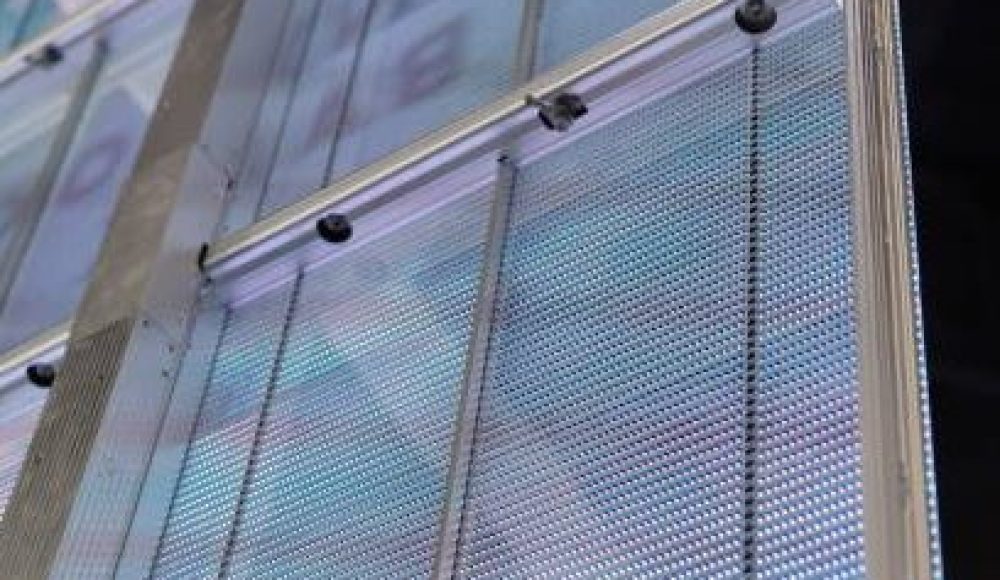
A diferencia de las tradicionales pantallas LED opacas para exteriores que utilizan soportes de placa de circuito negro sólido, Las pantallas de película LED transparentes utilizan sustratos flexibles de alta permeabilidad con diseños de tiras LED minimalistas.. Esta diferencia arquitectónica altera directamente la forma en que se muestran los colores y los tonos oscuros..
VISUAL DISPLAY COMPARISON

   Standard Opaque LED Display             Transparent LED Film Screen

   ┌──────────────────────────┐            ┌──────────────────────────┐
   │ Black Substrate          │            │ High-Permeability Film   │
   │ Black Pixels = Solid Black│           │ Black Pixels = Transparent│
   │ Full Opaque Image Block  │            │ Floating 3D Visual Effect│
   └──────────────────────────┘            └──────────────────────────┘
1. El “Negro es igual a transparente” Regla
En controladores de pantalla LED transparentes, Los valores de color negro o gris oscuro en un archivo de vídeo significan que los LED emiten luz nula o mínima.. En una pantalla opaca, el negro se representa como un área oscura sólida; en una pantalla de película LED transparente, los píxeles negros simplemente se apagan, permitiendo que la luz natural y el ambiente interior de fondo brillen.
2. El holográfico “Flotante” Efecto
Cuando el contenido de vídeo está diseñado con un fondo negro puro rodeando una superficie brillante, sujeto 3D vívido (como un producto de hilado, logotipo de neón, o gráfico en movimiento), el fondo negro desaparece por completo. A los transeúntes en la calle., El colorido producto parece flotar en el aire justo encima de la ventana de cristal..
Reglas prácticas de creación de contenido para pantallas de película LED transparentes
Para evitar el deterioro visual debido a la luz solar ambiental o fondos interiores concurridos, Los creadores de contenido deben seguir pautas de diseño específicas optimizadas para pantallas LED de alta transparencia.:
Diseño de materias centrales de alto contraste
Crea elementos visuales primarios usando colores de alto brillo, como el amarillo, cian, y blanco, para mejorar la legibilidad y atraer la atención del espectador en condiciones de iluminación ambiental intensa.
Luminancia de borde y mejora de movimiento
Aplicar efectos de iluminación de borde, contornos de brillo sutil, y tratamientos de profundidad 3D alrededor de elementos visuales clave. Estas técnicas ayudan a separar al sujeto de las superficies de vidrio reflectante mientras mantienen una gran visibilidad bajo la luz solar directa..
Combinando contraste optimizado, selección de colores vivos, y definición de bordes mejorada, El contenido de visualización al aire libre puede lograr un mejor impacto visual., legibilidad mejorada, y rendimiento constante en entornos de alta luminosidad.
1. Aprovechar el alto contraste, Elementos de alta luminosidad
Utilice siempre alta saturación, colores de alto brillo, como el dorado, cian, rojo vibrante, y blanco brillante: para logotipos primarios, texto, y modelos de productos. Los colores de alto contraste garantizan que el mensaje permanezca nítido y legible incluso bajo la luz directa del día..
2. Evite grandes bloques de colores opacos
Llenar todo el encuadre con fondos sólidos de colores claros (p.ej., fotograma completo blanco sólido o beige claro) anula el propósito de elegir una pantalla transparente. Bloquea la luz solar interior natural., aumenta el consumo de energía, y elimina lo moderno “visual flotante” estético.
3. Incorporar iluminación de borde dinámica
Agregar bordes brillantes sutiles, efectos de partículas, o los anillos de luz con sombra paralela alrededor del texto en 3D y los gráficos del producto crean una separación visual entre el contenido de la pantalla y la arquitectura interior detrás del vidrio..
Ventajas arquitectónicas: Instalación en interiores y facilidad regulatoria
Más allá del impacto visual, Las características estructurales de las pantallas de película LED transparentes resuelven los principales desafíos regulatorios y arquitectónicos que enfrentan los anunciantes urbanos en la actualidad..
       TOPLED FILM SCREEN ADVANTAGES

  [ Flexible Lightweight LED Film Substrate ]
                      │
  ├── Installed Behind Glass Curtain Walls (Bypasses outdoor ad permits)
  ├── Zero Heavy Steel Support Structure (Reduces installation cost)
  └── Maintains Indoor Natural Daylighting & Daytime Building Aesthetics
1. Eludir los permisos de aprobación de publicidad exterior
Porque se instalan pantallas de película LED transparentes dentro directamente detrás del vidrio de la ventana, Funcionan como expositores minoristas interiores que se comunican con el exterior.. Esto permite a los propietarios de propiedades comerciales evitar complejos procesos de permisos de publicidad exterior y restricciones de vallas publicitarias municipales..
2. Preservando la estética urbana
Las vallas publicitarias LED tradicionales para exteriores son pesadas, Estructuras de acero opacas que crean bloques oscuros y antiestéticos en las fachadas de los edificios cuando están apagados.. Las pantallas de película LED mantienen una alta transparencia del vidrio durante las horas no operativas del día., Preservar la belleza arquitectónica original del edificio..
Pautas de estrategia de contenido y resumen
El diseño de contenido publicitario para una pantalla de cine LED transparente requiere pasar de la lógica de vídeo tradicional de fotograma completo a una lógica centrada en objetos., diseño de movimiento 3D de alto contraste. Utilizando fondos negros puros, colores de acento de alta luminosidad, y elementos visuales flotantes, Las marcas logran un cautivador efecto 3D que eleva los escaparates de las tiendas manteniendo la iluminación natural en el interior..
Eleve la arquitectura comercial con TOPLED
En JUNTA SUPERIOR, Nos especializamos en la fabricación de soluciones de pantallas LED modulares de alto rendimiento diseñadas para locales comerciales modernos y paredes de vidrio arquitectónicas..
-
Serie de pantallas de película LED transparentes TOPLED: Combina la claridad de alta definición de las pantallas LED tradicionales para exteriores con una permeabilidad del vidrio superior., Combinando a la perfección tecnología con diseño de edificios contemporáneos..
-
Permeabilidad & Armonía estética: Instalado en interiores detrás de muros cortina de vidrio, nuestro pantallas de cine LED mantenga la iluminación natural y la estética arquitectónica limpia durante el día, al tiempo que elimina los problemas con los permisos de publicidad exterior.
-
Ligero & Fácil mantenimiento: Cuenta con un ultrafino, Diseño flexible que se fija directamente al vidrio sin pesados marcos de soporte de acero., reduciendo drásticamente la mano de obra de instalación y los costos estructurales.
Transforma tus fachadas de cristal en interactivas, medios visuales que generan ingresos. Contacto Los especialistas en pantallas de TOPLED hoy para discutir los requisitos de su proyecto arquitectónico!