

Seiring dengan semakin banyaknya bangunan modern yang menggunakan dinding tirai kaca, teknologi tampilan transparan sedang mengubah ruang ritel dan tampilan perusahaan menjadi platform media digital.
Diantara solusi tersebut, itu layar film LED transparan menawarkan transparansi yang tinggi, konstruksi ringan, dan pemasangan yang mulus di balik permukaan kaca.
Namun, banyak pemilik bisnis dan tim kreatif bertanya: “Apakah video normal akan terlihat pudar karena cahaya latar belakang melewati layar? Aturan desain apa yang meningkatkan iklan LED transparan?”
Karena itu, memahami karakteristik tampilan transparan menjadi penting untuk menciptakan konten visual yang kuat.
Strategi desain yang tepat membantu mengatasi hilangnya kecerahan dan meningkatkan kedalaman gambar.
Sebagai akibat, merek dapat membuat iklan bergaya 3D mengambang dengan tetap menjaga pencahayaan alami dalam ruangan.
Fisika Transparansi: Bagaimana Layar Film LED Merender Konten Video
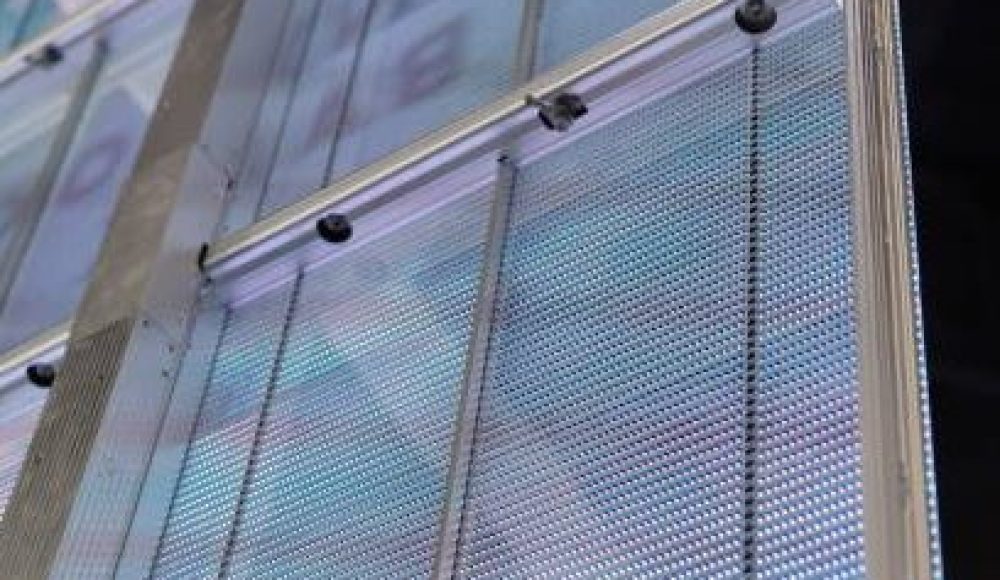
Tidak seperti tampilan LED luar ruangan buram tradisional yang menggunakan alas papan sirkuit hitam pekat, layar film LED transparan menggunakan substrat fleksibel berpermeabilitas tinggi dengan tata letak strip LED minimalis. Perbedaan arsitektur ini secara langsung mengubah cara warna dan corak gelap ditampilkan.
VISUAL DISPLAY COMPARISON

   Standard Opaque LED Display             Transparent LED Film Screen

   ┌──────────────────────────┐            ┌──────────────────────────┐
   │ Black Substrate          │            │ High-Permeability Film   │
   │ Black Pixels = Solid Black│           │ Black Pixels = Transparent│
   │ Full Opaque Image Block  │            │ Floating 3D Visual Effect│
   └──────────────────────────┘            └──────────────────────────┘
1. Itu “Hitam Sama dengan Transparan” Aturan
Dalam pengontrol tampilan LED transparan, nilai warna hitam atau abu-abu tua dalam file video berarti LED memancarkan cahaya nol atau minimal. Di layar buram, hitam ditampilkan sebagai area gelap pekat; pada layar film LED transparan, piksel hitam matikan saja, memungkinkan sinar matahari alami dan latar belakang lingkungan dalam ruangan bersinar.
2. Holografik “Mengapung” Memengaruhi
Saat konten video didesain dengan latar belakang hitam murni yang mengelilinginya cerah, subjek 3D yang jelas (seperti produk pemintalan, logo neon, atau grafik gerak), latar belakang hitam hilang sama sekali. Kepada orang yang lewat di jalan, produk berwarna-warni itu tampak melayang di udara tepat di jendela kaca.
Aturan Pembuatan Konten Praktis untuk Tampilan Film LED Transparan
Untuk mencegah hilangnya visual dari sinar matahari sekitar atau latar belakang dalam ruangan yang sibuk, pembuat konten harus mengikuti pedoman desain khusus yang dioptimalkan untuk tampilan LED transparansi tinggi:
Desain Subjek Inti Kontras Tinggi
Buat elemen visual utama menggunakan warna kecerahan tinggi, seperti kuning, cyan, dan putih, untuk meningkatkan keterbacaan dan menarik perhatian pemirsa dalam kondisi pencahayaan sekitar yang kuat.
Pencahayaan Tepi dan Peningkatan Gerakan
Menerapkan efek pencahayaan tepi, garis cahaya halus, dan perawatan kedalaman 3D sekitar elemen visual utama. Teknik ini membantu memisahkan subjek dari permukaan kaca reflektif sekaligus menjaga visibilitas kuat di bawah sinar matahari langsung.
Dengan menggabungkan kontras yang dioptimalkan, pemilihan warna yang hidup, dan definisi tepi yang ditingkatkan, konten tampilan luar ruangan dapat mencapai dampak visual yang lebih baik, peningkatan keterbacaan, dan kinerja yang konsisten di lingkungan dengan pencahayaan tinggi.
1. Manfaatkan Kontras Tinggi, Elemen Pencahayaan Tinggi
Selalu gunakan saturasi tinggi, warna dengan kecerahan tinggi—seperti emas, cyan, merah cerah, dan putih cerah—untuk logo utama, teks, dan model produk. Warna kontras tinggi memastikan pesan tetap jelas dan terbaca bahkan di bawah sinar matahari langsung.
2. Hindari Blok Warna Buram Besar
Mengisi seluruh bingkai dengan latar belakang solid berwarna terang (misalnya, bingkai penuh berwarna putih solid atau krem muda) menggagalkan tujuan memilih layar transparan. Ini menghalangi sinar matahari alami dalam ruangan, meningkatkan konsumsi daya, dan menghilangkan modern “visual mengambang” estetis.
3. Menggabungkan Pencahayaan Tepi Dinamis
Menambahkan tepi bercahaya halus, efek partikel, atau lingkaran cahaya drop-shadow di sekitar teks 3D dan grafik produk menciptakan pemisahan visual antara konten layar dan arsitektur interior di balik kaca.
Keunggulan Arsitektur: Instalasi Dalam Ruangan dan Kemudahan Peraturan
Selain dampak visual, karakteristik struktural layar film LED transparan memecahkan tantangan regulasi dan arsitektur utama yang dihadapi pengiklan perkotaan saat ini.
       TOPLED FILM SCREEN ADVANTAGES

  [ Flexible Lightweight LED Film Substrate ]
                      │
  ├── Installed Behind Glass Curtain Walls (Bypasses outdoor ad permits)
  ├── Zero Heavy Steel Support Structure (Reduces installation cost)
  └── Maintains Indoor Natural Daylighting & Daytime Building Aesthetics
1. Melewati Izin Persetujuan Periklanan Luar Ruang
Karena dipasang layar film LED transparan di dalam ruangan tepat di balik kaca jendela, mereka berfungsi sebagai tampilan ritel dalam ruangan yang berkomunikasi ke luar. Hal ini memungkinkan pemilik properti komersial menghindari proses perizinan periklanan luar ruang yang rumit dan pembatasan papan reklame kota.
2. Melestarikan Estetika Perkotaan
Papan reklame LED luar ruangan tradisional berat, struktur baja buram yang menciptakan blok gelap yang tidak sedap dipandang pada fasad bangunan saat dimatikan. Layar film LED menjaga transparansi kaca yang tinggi selama siang hari di luar jam operasional, melestarikan keindahan arsitektur asli bangunan.
Ringkasan dan Pedoman Strategi Konten
Merancang konten iklan untuk layar film LED transparan memerlukan peralihan dari logika video full-frame tradisional ke fokus objek, desain gerakan 3D kontras tinggi. Dengan memanfaatkan background hitam murni, warna aksen pencahayaan tinggi, dan elemen visual mengambang, merek mencapai efek 3D menawan yang meninggikan jendela toko sambil mempertahankan pencahayaan alami di dalamnya.
Tinggikan Arsitektur Komersial dengan TOPLED
Pada Dipopang, kami mengkhususkan diri dalam pembuatan solusi tampilan LED modular berkinerja tinggi yang dirancang untuk tempat komersial modern dan dinding kaca arsitektur.
-
Seri Layar Film LED Transparan TOPLED: Menggabungkan kejernihan definisi tinggi dari tampilan LED luar ruangan tradisional dengan permeabilitas kaca yang unggul, memadukan teknologi dengan desain bangunan kontemporer secara mulus.
-
Permeabilitas & Harmoni Estetika: Dipasang di dalam ruangan di balik dinding tirai kaca, kita Layar film LED mempertahankan pencahayaan alami dan estetika arsitektur siang hari yang bersih sekaligus menghilangkan kerepotan izin iklan luar ruang.
-
Ringan & Perawatan Mudah: Menampilkan ultra-tipis, desain fleksibel yang menempel langsung ke kaca tanpa rangka penyangga baja berat, secara drastis mengurangi tenaga kerja instalasi dan biaya struktural.
Ubah fasad kaca Anda menjadi interaktif, media visual yang menghasilkan pendapatan. Kontak spesialis tampilan TOPLED hari ini untuk mendiskusikan kebutuhan proyek arsitektur Anda!