

Светодиодный дисплей стадиона с высокой частотой обновления: 1920Гц против. 3840Гц+ для трансляции
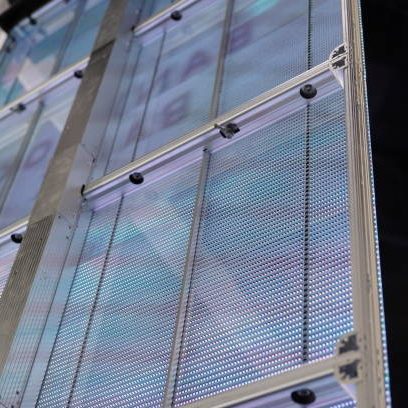
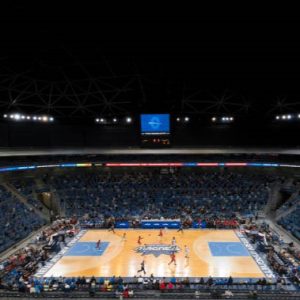
На современных спортивных аренах, Светодиодные экраны на стадионах играют ключевую роль в привлечении болельщиков. Они также поддерживают спонсорскую рекламу и атмосферу места проведения.. Эти системы включают в себя светодиодные дисплеи по периметру и видеостены с табло, подвешенные по центру..
Однако, Прямые спортивные трансляции создают серьезную техническую проблему. 4Камеры K и камеры сверхзамедленной съемки могут фиксировать мерцающие полосы и черные катящиеся линии сканирования.. Эти артефакты могут оставаться невидимыми для человеческого глаза внутри стадиона..
Они все еще могут четко проявляться в кадрах профессиональных телепередач.. Для операторов стадионов и застройщиков спортивных объектов, поэтому совместимость камеры имеет решающее значение. Высокая частота обновления Светодиодные табло для стадионов может помочь уменьшить эти визуальные артефакты.
В частности, 3840Частота обновления Гц или выше широко указана для мест, ориентированных на вещание.. В этой статье объясняется техническая разница между светодиодными стадионными дисплеями с частотой 1920 Гц и 3840 Гц и выше.. В нем также рассматриваются ключевые факторы при выборе светодиодного экрана для стадиона, готового к трансляции..
1. Почему светодиодные дисплеи стадиона мерцают на трансляционных камерах
Основная причина многих проблем с линиями сканирования камеры связана с взаимосвязью между выдержкой камеры и работой ШИМ светодиода..
Светодиодный экран стадиона может показаться зрителям устойчивым. Однако, профессиональная камера фиксирует отдельные моменты в каждом цикле показа.
Эта разница может привести к мерцанию, которое человеческому зрению нелегко заметить..
1920Частота обновления Гц и выдержка камеры
Стандарт 1920Частота обновления Гц обновляет светодиодный дисплей 1,920 раз в секунду. Человеческое зрение может воспринимать это как стабильное при нормальных условиях просмотра..
Профессиональные телекамеры работают по-другому.
Камеры высокого разрешения могут использовать выдержку от 1/500с до 1/2000 с. Такая короткая выдержка помогает заморозить спортсменов во время быстрых спортивных состязаний..
Камера может захватывать светодиодную панель во время кратковременного отключения светодиодов.. Это может привести к появлению темных горизонтальных полос на записанном изображении..
Во время воспроизведения видео может показаться, что полосы катятся по экрану стадиона.. Для прямого эфира, это может снизить качество изображения. Это также может повлиять на логотипы спонсоров и видимость коммерческой рекламы..
Затвор вещательной камеры против. Частота обновления светодиода
| Технология отображения | Взаимодействие с камерой | Результат трансляции |
|---|---|---|
| Стандартная частота обновления 1920 Гц | Быстрый затвор камеры позволяет фиксировать неактивность светодиодов | Темные катящиеся линии сканирования и мерцание |
| Высокая частота обновления 3840 Гц+ | Более быстрое переключение ШИМ уменьшает видимые артефакты захвата | Более плавное и удобное для камеры видео |
Ключевой вопрос заключается не просто в том, как зрелище выглядит для зрителей..
Вот как Светодиодный экран стадиона работает при съемке профессиональными камерами.
2. Как светодиодные дисплеи с высокой частотой обновления 3840 Гц и выше улучшают совместимость с камерами
А 3840Светодиодный дисплей для стадиона с высокой частотой обновления Гц+ использует высококачественные микросхемы драйвера ШИМ. Дисплей обновляет светодиодную матрицу более чем 3,840 раз в секунду.
Некоторые высокопроизводительные конфигурации могут достигать 7680Гц. Более быстрый цикл обновления обеспечивает больше обновлений дисплея в процессе экспозиции камеры.. Это помогает снизить вероятность обнаружения видимых отключений светодиодов..
Как результат, Камеры вещания могут более последовательно записывать светодиодный экран стадиона. Это особенно важно для трансляций в формате 4K и систем повторов с высокой частотой кадров..
Преимущество ШИМ 3840 Гц+
Архитектура с более высокой частотой обновления предназначена для поддержки требовательных камер..
Это помогает уменьшить:
- Dark rolling scan lines
- Visible screen flickering
- Horizontal display artifacts
- Image distortion during camera capture
- Moiré interference
- Visual problems during slow-motion playback
For sports venues, this directly supports better broadcast quality.
It also helps maintain the visual quality of sponsor branding.
3. 1920Гц против. 3840Hz+ LED Stadium Display Comparison
Refresh rate should be evaluated together with camera compatibility and overall display performance.
The following comparison highlights the differences between standard and high-refresh stadium LED displays.
| Performance Metric | Standard 1920Hz Stadium Display | High Refresh Rate 3840Hz+ Stadium Display (TOPLED Standard) | Impact on Live Sports Broadcasting |
|---|---|---|---|
| HD Camera Compatibility | Prone to dark rolling scan lines | 100% Flicker-Free across all camera angles | Guarantees clean TV broadcasts and sponsorship visibility |
| Ultra Slow-Motion Replays | Severe flickering and frame loss | Smooth, crystal-clear slow-motion playback | Preserves sponsor logos and high-definition replay details |
| Grayscale at Low Brightness | Grayscale loss and color banding | High 16-bit grayscale maintained | Delivers rich contrast and accurate colors under stadium lights |
| Moiré Effect Reduction | High risk under high-res broadcast lenses | Minimized moiré interference patterns | Keeps brand logos crisp on television networks |
| Operational Lifespan & Efficiency | Standard thermal dissipation | Optimized PWM power efficiency | Reduces energy consumption and operational heating |
For broadcast-intensive sports venues, refresh rate should therefore be part of the initial display specification.
It should not be treated as a secondary feature after installation.
4. Why High Refresh Rate Matters for Sports Broadcasting
Sports broadcasting places unique demands on stadium LED displays.
Athletes move quickly across the field.
Cameras must capture these movements with high shutter speeds.
Replay systems may also use high-frame-rate cameras.
These conditions make display-camera compatibility especially important.
4.1 4K Live Sports Broadcasting
4K production requires high-quality source footage.
A visible scan line can become highly noticeable on large broadcast screens.
A high refresh rate LED stadium display helps provide cleaner camera footage.
This supports more consistent live broadcasts.
4.2 Ultra-Slow-Motion Replays
Slow-motion cameras capture more frames during fast action.
This can make display flicker and frame-related artifacts more visible.
А 3840Hz+ stadium LED screen is designed for these demanding capture environments.
It helps maintain smoother visual playback during instant replays.
4.3 Sponsor and Advertising Visibility
Stadium LED displays are also important advertising assets.
Sponsors expect their logos and campaigns to appear clearly on television.
Broadcast artifacts can reduce branding quality.
High refresh rate technology helps protect the visual quality of dynamic advertising content.
5. Other Technical Factors for a Broadcast-Ready Stadium LED Screen
Refresh rate is important, but it is not the only specification stadium operators should evaluate.
Outdoor sports venues also require reliable environmental protection and practical maintenance.
Weatherproof Outdoor Construction
Outdoor stadium LED displays must operate under demanding weather conditions.
TOPLED outdoor sports stadium displays feature IP65/IP66 waterproof and dustproof sealing.
They also use anti-glare mask technology.
This helps maintain clear visibility under direct sunlight.
For outdoor sports venues, weather resistance is essential for long-term operation.
Low-Brightness Grayscale Performance
Broadcast environments can expose color and grayscale problems.
The TOPLED high refresh rate solution maintains high 16-bit grayscale performance at low brightness.
This supports richer contrast and more accurate color reproduction.
It is particularly useful when cameras capture detailed stadium advertising and video content.
Moiré Reduction
High-resolution broadcast lenses can create moiré interference patterns.
These patterns may affect fine details and sponsor graphics.
A high refresh rate LED stadium display helps minimize these visual interference effects.
This supports clearer branding during television coverage.
6. TOPLED High Refresh Rate LED Stadium Display Solutions
As an experienced LED stadium screen supplier and custom manufacturer, TOPLED develops modular display systems for demanding sports venues.
Our solutions combine high refresh performance with outdoor durability and flexible cabinet configurations.
Broadcast-Ready 3840Hz+ Performance
TOPLED high-definition stadium video screens use high-end driver ICs.
They support real-time video streaming and dynamic advertising.
They also support multi-angle slow-motion replays.
The 3840Hz+ refresh rate helps reduce camera flickering and scan-line artifacts.
This makes the displays suitable for broadcast-focused sports venues.
Weatherproof and Anti-Glare Design
Outdoor sports stadium displays feature IP65/IP66 waterproof and dustproof protection.
Anti-glare mask technology supports better visibility under direct sunlight.
This makes the system suitable for demanding outdoor stadium environments.
Lightweight and Cost-Effective Modular Design
TOPLED uses lightweight cabinet modules for easier installation and maintenance.
The modular architecture also supports flexible display configurations.
Venue operators can adjust:
- Display dimensions
- Разрешение
- Яркость
- Cabinet weight
- Display architecture
These options support basketball arenas, football stadiums, and concert stages.
Energy-Efficient and Long-Life Operation
TOPLED stadium LED displays use energy-efficient LED architecture.
Optimized PWM power efficiency helps reduce energy consumption.
Superior thermal management also helps control operational heating.
This can reduce long-term operating and maintenance costs.
7. Custom Stadium LED Display Options for B2B Projects
Different sports venues have different engineering requirements.
A standard display configuration may not fit every stadium project.
TOPLED provides customization for professional B2B display projects.
Display Size and Pixel Pitch
Stadium operators can specify display dimensions and pixel pitch.
These parameters can be matched to viewing distance and venue structure.
Brightness and Outdoor Visibility
Brightness can be configured for different outdoor lighting conditions.
Anti-glare technology further supports screen visibility under direct sunlight.
Cabinet Weight and Structure
Lightweight modular cabinets can simplify installation.
They can also support venue-specific structural requirements.
Curved and Custom Architectures
TOPLED can customize curved display architectures.
This supports different stadium structures and perimeter installation requirements.
The goal is to create a display system that fits the venue rather than forcing the venue to fit a standard product.
8. What Stadium Operators Should Consider Before Purchasing
Choosing a stadium LED screen involves more than comparing screen size and resolution.
B2B buyers should evaluate the complete display system.
Key specifications include:
- Refresh rate
Specify 3840Hz or higher for demanding broadcast environments. - Driver IC architecture
Confirm that the selected driver IC supports the required refresh performance. - Camera compatibility
Test the display with the cameras used for live broadcasts and replays. - Grayscale performance
Check low-brightness grayscale quality and color consistency. - Moiré control
Evaluate the display through high-resolution broadcast lenses. - Outdoor protection
Confirm IP65/IP66 protection for demanding outdoor applications. - Anti-glare performance
Verify visibility under direct stadium sunlight. - Управление температурным режимом
Review heat dissipation and long-term operating stability. - Modular maintenance
Consider cabinet design, installation access, and maintenance efficiency. - Customization capability
Confirm whether the supplier can support size, weight, Яркость, Пиксельный шаг, and curved structures.
These factors can help stadium developers select a display that meets both spectator and broadcast requirements.
9. Why 3840Hz+ Is Important for Professional Stadium LED Displays
A stadium display must perform well for two different audiences.
Spectators need bright, прозрачный, and engaging visuals.
Broadcast cameras need stable images without visible scan-line artifacts.
A display that satisfies only human viewing requirements may not satisfy professional broadcasting requirements.
This is why 3840Hz+ high-refresh-rate LED stadium displays are important for broadcast-oriented venues.
The higher refresh architecture helps support:
- 4K live sports broadcasting
- High-speed camera capture
- Ultra-slow-motion replays
- Dynamic sponsorship advertising
- Large-scale stadium video content
- Multi-angle broadcast production
For major sports venues, refresh rate should therefore be considered a core engineering specification.
Заключение: Choose a Broadcast-Ready High Refresh Rate LED Stadium Display
А high refresh rate LED stadium display is essential for professional sports venues where live broadcasting and slow-motion replay are important.
Standard 1920Hz displays may experience visible scan lines or flickering under demanding camera conditions.
A 3840Hz+ display provides faster PWM switching and improved camera compatibility.
It also supports high-quality 4K broadcasts, slow-motion replays, and sponsor visibility.
For stadium operators, venue developers, and professional display buyers, refresh rate should be part of the initial technical specification.
TOPLED provides customized 3840Hz+ stadium LED screen solutions for sports arenas, реклама по периметру, табло, and other large-format venue applications.
Upgrade your sports venue with broadcast-ready LED display technology.
Contact TOPLED technical display engineers for product specifications, driver IC datasheets, and custom wholesale project quotes.